The One-Day Clean-Up Myth: Why a Shared Place Needs a Next Step
A shared-place clean-up can look finished by noon. Choose a next step that clarifies responsibility, records unresolved needs, and helps neighbors decide what happens next.
The most common mistake after a shared-place clean-up is treating the tidy result as a maintenance plan. A one-day effort can clear a path or seating area, but unresolved questions about responsibility can leave neighbors unsure what to do when a new issue appears. A useful follow-up turns the day’s observations into clear information for whoever makes the next decision.
Record what changed and what remains uncertain
A clean-up produces more than a tidier place: it can reveal conditions that were hard to see before. A group might notice a loose sign, a blocked drain, or a bin that seems poorly placed. Recording these observations separately from the work completed helps prevent a volunteer project from being mistaken for an agreement to maintain or repair the site.
Think of the record as a label on a shared storage box. It tells the next person what is inside and what still needs attention, without making that person responsible for everything nearby.
Keep notes factual and specific. Name the area, describe the visible condition, and distinguish what volunteers did from what they did not do. Avoid guessing at causes or promising a fix before the responsible organization has considered the issue.
Route each concern to the right decision-maker
Different site concerns call for different contacts. A park department may manage a public path, a library may oversee its entrance, and a property manager may handle a shared courtyard. If responsibility is unclear, ask the organization that coordinates access to the place who handles that type of concern.
Use the established contact method where possible, such as a municipal service-request channel, a library’s public contact address, or the project’s designated coordinator. Share only the details needed to identify the place and the visible issue. For repairs, hazardous materials, or questions governed by local rules, leave decisions to the responsible organization or a qualified professional.
Choose a follow-up based on what the record says
Use the observation to decide whether the project needs a handover, a later check, or a new conversation with the site manager. The decision should respond to a specific condition, not to a general feeling that volunteers ought to keep doing more.
- Observation: the agreed area is clean and no unresolved concern was recorded. Decision: close the project’s follow-up; if a new issue appears later, report it through the site’s normal channel.
- Observation: a visible concern needs an owner, such as a damaged noticeboard panel. Decision: send a factual handover to the organization responsible; if ownership is unclear, ask the site coordinator before proposing work.
- Observation: the same manageable issue may recur, but that is not yet clear. Decision: agree on one later observation only if someone volunteers; if nobody does, leave the issue for the responsible site manager to monitor.
- Observation: the concern may involve a repair, unknown material, or a restricted area. Decision: stop volunteer work and refer it to the responsible organization; if the appropriate contact is unknown, ask the organization that manages access.
- Observation: participants suggest adding a new task beyond the original clean-up. Decision: check whether the site manager approves it; if approval or suitable expertise is absent, keep the task out of the volunteer plan.
- Observation: people disagree about what should happen next. Decision: record the different views and ask the site manager for direction; if no decision is needed immediately, pause rather than treating one view as group agreement.
How should a clean-up follow-up work?
What should a handover note include?
Include the place, the work completed, the visible concern, and the date of the message if relevant to the organization’s process. Ask a clear question, such as who manages the damaged panel, rather than implying that volunteers will repair it.
Should the group set a return date before leaving?
Set one only when a specific task remains and participants choose to discuss it. If the next action depends on a site manager’s decision, send the handover first and wait for direction rather than scheduling work prematurely.
What if nobody knows who manages the site?
Start with the organization that granted access or helped arrange the clean-up, and ask it to identify the appropriate contact. Until responsibility is clear, record the concern but do not assume the volunteer group has authority to address it.
How can organizers separate observation from responsibility?
Write down who agreed to do any follow-up and exactly what that person agreed to notice or communicate. If nobody agrees, record that there is no volunteer follow-up and refer unresolved site concerns through the usual management channel.
Work through a handover decision before proposing more work
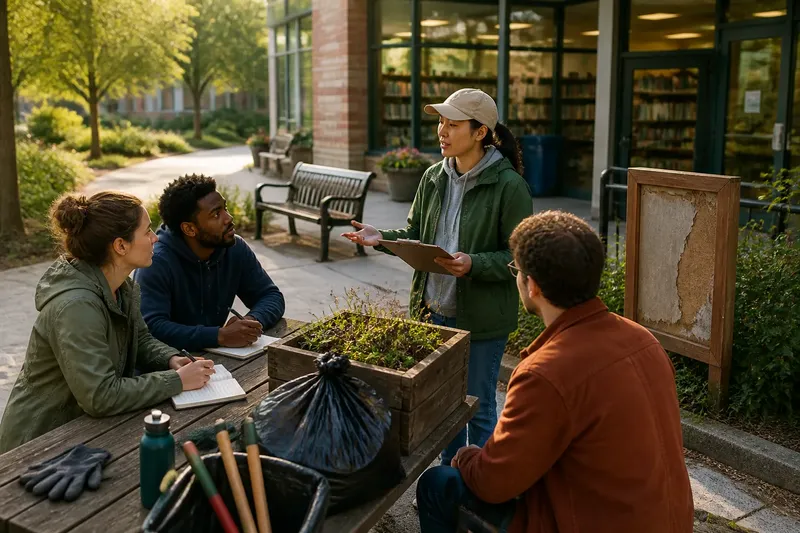
Imagine a neighborhood group clears weeds and loose litter from a small seating area beside a library. They notice that a planter looks dry, but nobody has agreed to care for it. They record the location and condition, then send the library contact a short question asking who manages the planter; the expected result is an answer about responsibility before anyone decides whether watering belongs in a future project.
If the library says a staff member or contractor manages the planter, the group can close that question without taking on a new task. If the library invites a volunteer project, the group can discuss the proposed work separately and clarify what participants would be agreeing to do.
Make the project’s boundary easy to understand
Before people leave, state what the clean-up covered, what concerns were referred, and whether anyone agreed to a specific follow-up. A short shared note can prevent later confusion: “The seating area is cleared; we have asked the library who manages the planter.” That is more useful than an open-ended promise to keep the whole area in good condition.
When planning a shared-place clean-up, treat follow-up as a decision process, not a standing volunteer duty. A clear record gives neighbors and site managers something concrete to act on, while leaving future work to the people who have the authority and willingness to take it on.